How AI Is Transforming the eCommerce Industry
A Quiet Shift Behind Every Online Purchase
Online shopping appears to be the same. You look through offers, choose one, and buy it. The thing is that much has changed under the hood. The stores use smarter technologies to make assumptions about customers’ interests before they start searching. It took some time to reach such results.
It built up slowly, one small update at a time.
Retailers started noticing something. Customers were leaving carts without buying. Search results felt off. Recommendations missed the mark. These problems pushed businesses to look for better tools. That’s where AI for eCommerce started stepping in to fill the gaps.
Personalization Without the Guesswork
Every shopper has different tastes. One person wants casual wear. Another wants formal pieces. Manually sorting through preferences for millions of users isn’t realistic. Smarter technologies help make predictions based on the user’s browsing and purchasing history.
If you search for a Leather Jacket NZ in the online store, it will provide you with similar products, sizes, and prices based on your previous behavior. This isn’t magic. It’s pattern recognition applied at a large scale. Search bars are not the exception, either.
The whole process appears to be very personal despite being driven by algorithms. Typing a vague phrase used to return random results. Now, systems can understand intent better. They pick up on context, not just keywords.
Customer Support That Doesn’t Sleep
Chat widgets used to be simple. You used to type your question into it and wait till someone will answer it. Now, the task of answering such inquiries is performed by automatic assistants 24/7. They deal with inquiries related to sizes, shipping, and returning policies.
This doesn’t mean human support disappeared. It just shifted focus. Staff now handle complex issues while routine questions get answered instantly. Customers get faster replies. Businesses save time on repetitive tasks. This is one of the clearest everyday uses of AI for eCommerce support teams.
There’s also a practical side to this. It helps reduce delays in the buying cycle and prevents people from quitting the shopping cart.
Inventory and Demand Forecasting
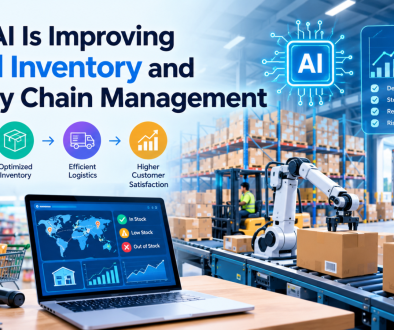
Running out of stock frustrates buyers. Overstocking wastes money and holds space. Predicting demand accurately used to rely heavily on guesswork and past sales standards. That approach missed seasonal shifts and sudden trends.
Modern-day forecasting methods take into consideration multiple aspects simultaneously. The weather, regional events, surges in web traffic, and social media discussions could provide an idea about the expected demand. The owners of stores receive more clarity about inventory management. Many describe this forecasting shift as their first real use of AI for eCommerce planning.
This matters more for smaller retailers. Sometimes, small businesses do not have enough manpower to analyze market trends manually. With automated forecasting, they have the opportunity to receive information accessible only to larger organizations before.
Fraud Detection and Safer Checkouts
However, online purchases involve risks. Phishing attacks, credit card theft, and account hacking lead to losses for companies. Manually examining all transactions is unworkable, particularly during the peak sales period.
Pattern-based detection tools flag unusual activity quickly. A sudden order from an unfamiliar location, or an odd purchase amount, gets marked for review. This happens within seconds, not hours.
Customers benefit too. Faster fraud checks mean fewer delays on legitimate orders. Nobody wants their payment held in review because of an overcautious system. Balancing speed and safety remains an ongoing challenge, but it’s improved a lot compared to a few years back.
Product Descriptions and Content at Scale
Writing product descriptions for thousands of items takes time. Many stores struggled to keep listings updated and consistent. Writing tools now help generate first drafts based on product specs.
Editors still review the output. Nothing gets published without a human checking tone and accuracy. But the starting point saves hours of repetitive drafting work. This adoption of AI for eCommerce content creation has grown quietly across many mid-sized retailers.
Images get similar treatment. Background removal, resizing, and basic touch-ups can happen automatically now. What used to take a designer several minutes per photo now takes seconds.
Where This Leaves Everyday Shoppers
None of these changes are flashy. Most customers won’t notice the systems working behind their screen. They’ll just notice faster loading, better search results, and fewer awkward recommendations.
Retailers still make the final calls. Automated tools handle repetitive tasks and pattern spotting. People choose the strategy and tone and set the limit on personalization. There is constant fluctuation between the two, which will probably continue for many years ahead.